Renovating for Resale vs. Renovating for You: How to Know Which Decisions Are Worth Making
- 6 days ago
- 7 min read

There is a question that comes up surprisingly often during a renovation:
“But what will the next buyer think?”
It is a fair question. Your home is likely one of your biggest investments, and nobody wants to spend significant money making choices that hurt its value.
But there is another question we think deserves just as much attention:
What do you think?
If you are planning to live in your home for another five, ten, or fifteen years, designing every room around a hypothetical future buyer can leave you with a beautifully renovated house that still does not really feel like yours.
At DuBois Design+Build, we think the better approach is finding the balance. Protect the long-term value of the home where it matters, but give yourself permission to create spaces that reflect your taste, routines, family, and personality.
Here is how we think about renovating for resale versus renovating for the people actually living there.

First, How Soon Are You Actually Planning to Sell?
This changes the entire conversation.
If you are renovating specifically because you plan to list your home within the next year or two, resale should absolutely carry more weight. This probably is not the time to completely restructure a functional floor plan around one highly specific need or invest heavily in details you will barely have time to enjoy.
If you expect to stay for ten years, however, designing entirely for the next homeowner becomes harder to justify.
Think about how much life happens in ten years. That is thousands of mornings in your kitchen, holidays around the table, evenings in your living room, showers in your primary bathroom, kids coming through the door, friends visiting, and regular Tuesday nights at home.
Resale value matters. But so does the value you receive from actually living in the home.
Renovating for Resale Usually Means Appealing to More People

A resale-focused renovation generally prioritizes broad appeal.
That often means relatively neutral finishes, familiar layouts, widely appealing materials and features buyers already expect at your home's price point.
There is nothing wrong with that strategy, particularly if selling is on the horizon.
But broad appeal can become limiting when it starts influencing every decision.
You choose the white tile because it feels safe. You skip the dramatic stone because you worry someone else might not like it. You select the most neutral cabinet color. You avoid wallpaper. You pass on the built-in library you would genuinely use because the next homeowner might prefer something different.
Eventually, you can spend a substantial amount renovating and somehow end up with a house that could belong to almost anyone.
Renovating for You Starts With Different Questions
When we design around the homeowner, the conversation becomes much more specific.
How do you actually use your kitchen?
Where does everyone end up when you entertain?
What constantly annoys you about your current bathroom?
Do you need a formal dining room, or would you use that square footage every day if it became part of the kitchen?
Do you love color? Natural wood? Moody spaces? Traditional details? Clean contemporary lines?
Would you rather have an enormous primary closet or use some of that space for a larger shower?
These questions produce homes with personality because the answers are different for every homeowner.
In fact, we recently wrote about creative design choices that completely change the vibe of a space. It is a good example of how thoughtful, personal choices can give a home character without simply following whatever happens to be popular at the moment.
Personal Does Not Have to Mean Bad for Resale
This is probably the biggest misconception.
There is a difference between personalized and poorly designed.
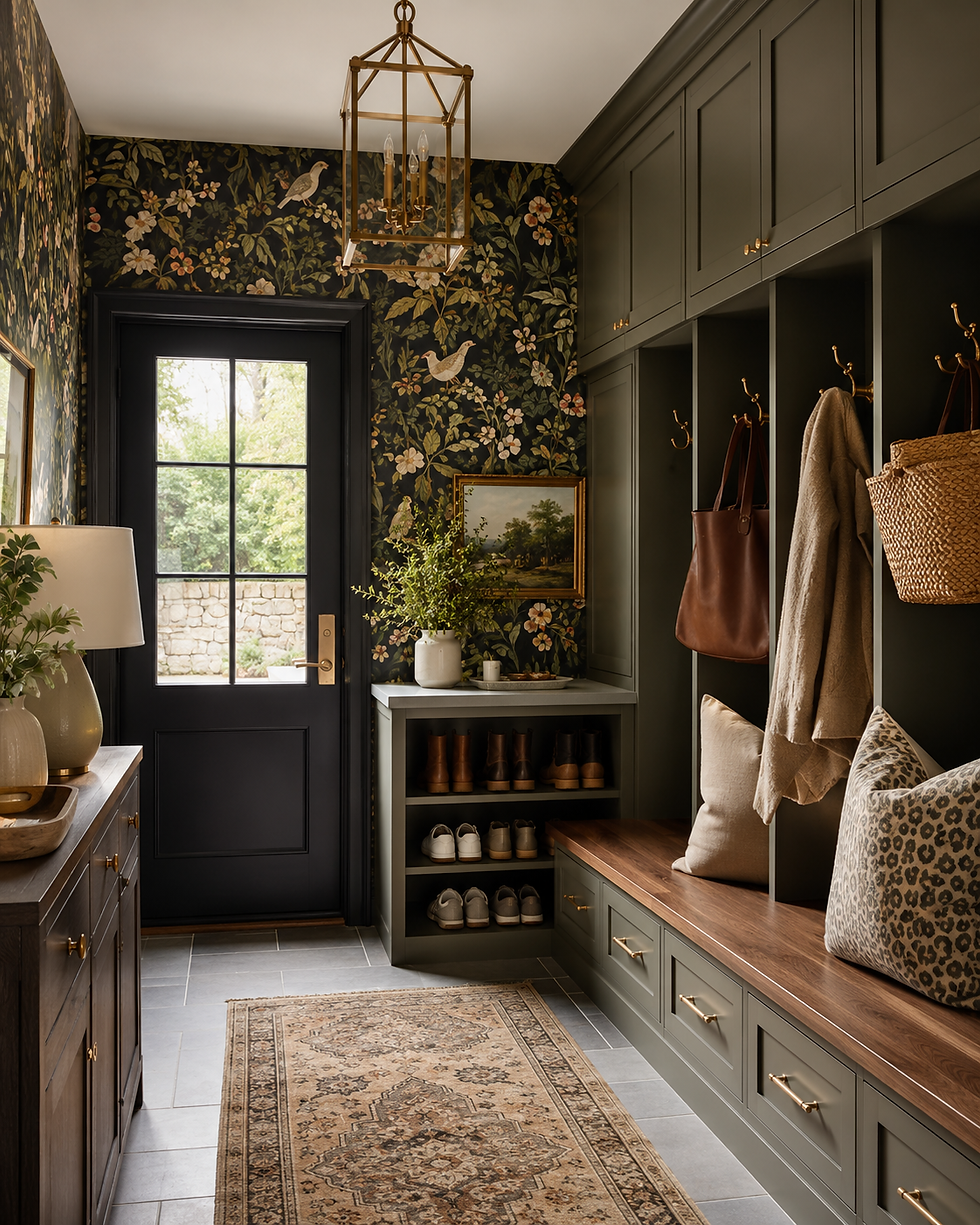
A gorgeous deep green library can be personal. Custom cabinetry designed around the architecture can be personal. A handmade tile with variation and texture can be personal. An unexpected powder room can be personal. A beautiful range hood, statement stone, unusual light fixture, or rich paint color can all make a home feel distinct.
None of those automatically make a home difficult to sell.
Quality still reads as quality.
Thoughtful design still reads as thoughtful design.
The goal should not necessarily be to eliminate personality. It should be to make personal decisions intentionally and execute them well.
We talk about this further in 10 Things That Make a Home Feel Custom Without Adding Square Footage, because many of the details that make a house feel special are not about size or extravagance. They are about intentional design.
Know Where Resale Value Really Does Matter
There are certain renovation decisions where we would pay closer attention to future marketability, regardless of how long you plan to stay.

Floor Plan
A floor plan should support your life, but be careful about solving one problem by creating another.
For example, removing a bedroom to create an enormous closet might be perfect for one homeowner, but changing the bedroom count can have a meaningful effect on the home's future value.
On the other hand, eliminating an awkward hallway to create a better kitchen or reconfiguring poorly used space can improve both your experience and the home's appeal.
We recently covered this in What We’d Change in Your Home Before Adding Square Footage. Often, better planning creates more value than simply creating more space.
Kitchens and Primary Bathrooms
These are expensive rooms to renovate, and future buyers notice them.
That does not mean they need to be boring. It does mean we would prioritize quality cabinetry, functional layouts, good lighting, durable materials, proper storage, and craftsmanship before spending the budget on purely decorative details.
Create personality on top of a strong foundation.
Quality of Construction
This is one area where renovating for yourself and renovating for resale should be exactly the same.
Do it properly.
Waterproof the shower correctly. Install cabinetry well. Plan electrical before walls close. Use materials appropriate for their location. Think through transitions. Get the proportions right. Address underlying issues rather than covering them up.
A beautiful renovation that starts failing five years later is not a good investment for you or the next owner.
Put Personality in Places That Are Easier to Change

If you love bold design but still worry about resale, think strategically about where you use it.
A powder room is a fantastic place to take a risk. So is an office, pantry, laundry room, bar, library, guest bathroom, or statement wall.
Paint is another obvious opportunity. So are decorative lighting, wallpaper, furniture, hardware, artwork, and certain tile applications.
Meanwhile, the expensive bones of the house can remain thoughtful and timeless.
For example, you might choose beautifully made natural wood cabinetry and durable stone countertops, then pair them with a more unusual backsplash or light fixture.
That gives the room personality without making every expensive component highly specific.
Our post on Luxury Home Design Trends That Will Still Look Beautiful 15 Years From Now goes deeper into this idea. Natural materials, quality millwork, functional kitchens, architectural details, and layered lighting tend to have staying power because they are rooted in craftsmanship rather than a specific trend.
Stop Trying to Predict Exactly What Future Buyers Will Want
This is worth saying because homeowners put a lot of pressure on themselves here.
You cannot completely predict what buyers will want ten years from now.
Think about how much home design has changed over the last ten or twenty years. Colors change. Cabinet styles change. Flooring changes. Appliances change. Layout preferences change.
A decision that feels universally "safe" today could still look dated by the time you eventually sell.
Instead of trying to predict the exact style a future buyer will want, we would focus on decisions with longer-lasting value:
Quality materials. Good craftsmanship. Natural light. Functional layouts. Thoughtful storage. Comfortable circulation. Architectural character. Well-designed kitchens and bathrooms.
Those things transcend individual styles much better than trying to pick the safest possible backsplash.

There Is Also Value in Enjoying Your Investment
Return on investment is usually discussed in dollars.
But there is another return that is harder to calculate.
If a renovation gives you a kitchen where your family actually wants to gather, a primary bathroom that makes mornings easier, storage that eliminates a daily frustration, an office you enjoy working in, or a living room you genuinely love walking into, you are receiving value from that investment every single day.
That does not appear on a real estate listing.
It still counts.
This is especially important if moving is not part of your immediate plan. If you are already debating whether it makes more sense to stay or start over somewhere else, our guide on whether you should buy a new home or renovate walks through that decision in more detail.
The Sweet Spot: Timeless Bones, Personal Details
If we had to simplify our approach, this would probably be it:
Make the expensive, permanent decisions thoughtful. Make the personal decisions confidently.
Spend money on a layout that works. Invest in good cabinetry. Think carefully about lighting. Choose quality flooring. Get the construction right. Create useful storage. Pay attention to proportions, circulation, and how rooms relate to one another.
Then make it yours.
Choose the tile you keep thinking about. Paint the room green. Add the wallpaper. Build the reading nook. Create the hidden pantry. Install the dramatic light fixture. Use the natural stone with movement instead of the one that feels safest.
A beautiful home does not have to appeal equally to every person who could possibly buy it someday.
It should make sense, be well built, and feel intentional.
Most importantly, while it is yours, it should feel like you.
Renovate for the Life You're Actually Living

At DuBois Design+Build, our design and construction process starts with understanding how our clients actually want to live in their homes.
Sometimes protecting resale value is a major part of the conversation. Sometimes the homeowner has found their forever home and wants to make it deeply personal. Most projects land somewhere in between.
That is where thoughtful design matters.
If you are considering a kitchen remodel, whole-home renovation, addition, or another major transformation, we would love to help you figure out where to play it safe, where to invest, and where to make the house completely your own.
Visit DuBois Design+Build to learn more about our design-build process, call (720) 347-7400, or email Dubois@duboisdesignbuild.com to start a conversation about your home.