
The Hidden Costs of a Cheap Renovation (And Why It Rarely Stays Cheap)

When homeowners start thinking about a renovation, one of the first questions is cost. That makes sense. You want to be smart with your investment, and you should be.
But there is a difference between being cost-conscious and being cost-driven.
We have worked with many clients who came to us after trying to save money on a renovation, only to find themselves spending more than they expected and feeling frustrated along the way. What looked like a “good deal” at the beginning often turned into something very different.
This is where the hidden costs come in.

What “Cheap” Actually Means in Renovation
A lower price on paper usually means something is missing. It is rarely about someone simply being more efficient or generous.
In most cases, a cheaper renovation involves:
Limited or no design planning
Lower quality materials
Incomplete or vague scopes of work
Minimal project management
Shortcuts during construction
None of these show up clearly in an initial estimate. But they almost always show up during the process.

1. The Cost of Rework
One of the most common hidden costs is having to redo something.
This can happen when:
Layouts were not thoughtfully designed
Measurements were rushed or incorrect
Materials were installed improperly
Details were overlooked
Rework is expensive because you are paying for labor and materials twice. It also slows everything down and adds stress to your daily life.
A well-planned design-build process helps prevent this entirely by solving problems before construction begins.

2. Change Orders That Add Up Quickly
A low initial bid often comes with a lot of unknowns. Those unknowns turn into change orders once construction starts.
For example:
“We did not include that in the original scope”
“That finish costs more than expected”
“There is an issue behind the wall we did not account for”
Each one may feel small on its own, but together they can significantly increase your final cost.
When design and construction are handled together, decisions are made upfront. That means fewer surprises and a much clearer understanding of your investment from the beginning.
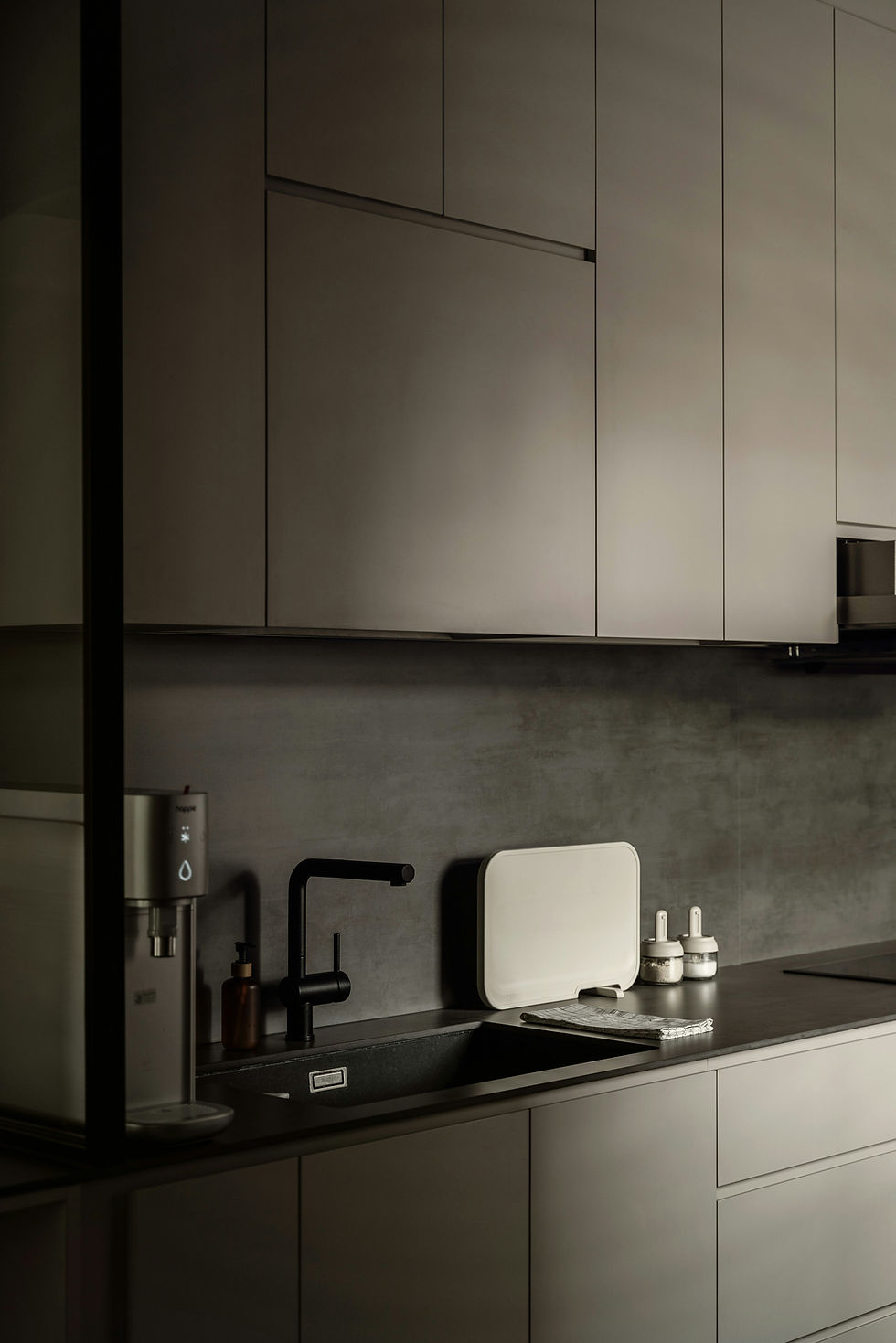
3. Material Quality That Does Not Last
It is easy to underestimate how much material quality impacts your daily experience in a home.
Lower-cost renovations often rely on:
Cabinets that wear down quickly
Flooring that scratches or warps
Fixtures that fail sooner than expected
You might save upfront, but you will likely replace or repair these items much sooner than you planned.
We always guide clients toward materials that balance beauty and durability so the space still feels just as good years from now.
If you want a deeper look at how material choices impact long-term satisfaction, this is a great read.

4. Poor Planning That Affects How You Live
Some of the most expensive mistakes are not structural. They are functional.
Things like:
Not enough storage
Poor lighting placement
Awkward layouts
Missing outlets where you need them
These are the details you feel every single day.
Fixing them later is much harder and more expensive than getting them right the first time. Thoughtful design is what prevents these issues, and it is often the first thing cut in a “cheap” renovation.
Check out these 7 kitchen design decisions you'll regret in two years for more on this.

5. Timeline Delays and Lifestyle Disruption
Time is a real cost that often gets overlooked.
A lower-budget renovation can lead to:
Project delays due to poor coordination
Waiting on materials that were not properly planned
Gaps between trades
This means living in a construction zone longer than expected, which impacts your routine, your family, and your overall experience.
A well-managed design-build process keeps everything moving forward with intention and clarity.

6. The Stress Factor
This one is harder to measure, but it matters.
When communication is unclear, expectations are misaligned, or decisions are made on the fly, the process becomes overwhelming.
Homeowners often tell us that what they value most is not just the final result, but how they felt during the process.
That is why we approach every project with a full design + build mindset. It allows us to guide you from the first idea through the final walkthrough with consistency and care.

Why Investing Upfront Actually Saves You Money
A well-executed renovation is not about spending more. It is about spending wisely.
When you invest in:
Thoughtful design
Clear planning
Quality materials
Experienced project management
You reduce the risk of rework, eliminate most surprises, and create a home that truly works for you long-term.
That is where the real value is.

Ready to Renovate the Right Way?
If you are thinking about renovating your home and want to avoid these hidden costs, we would love to talk.
At DuBois Design+Build, we guide you through the entire process from initial design to final construction so you can feel confident every step of the way.
Explore our work and process here, or reach out directly:
📞 (720) 347-7400
Let’s create a space that feels right, functions beautifully, and lasts.


